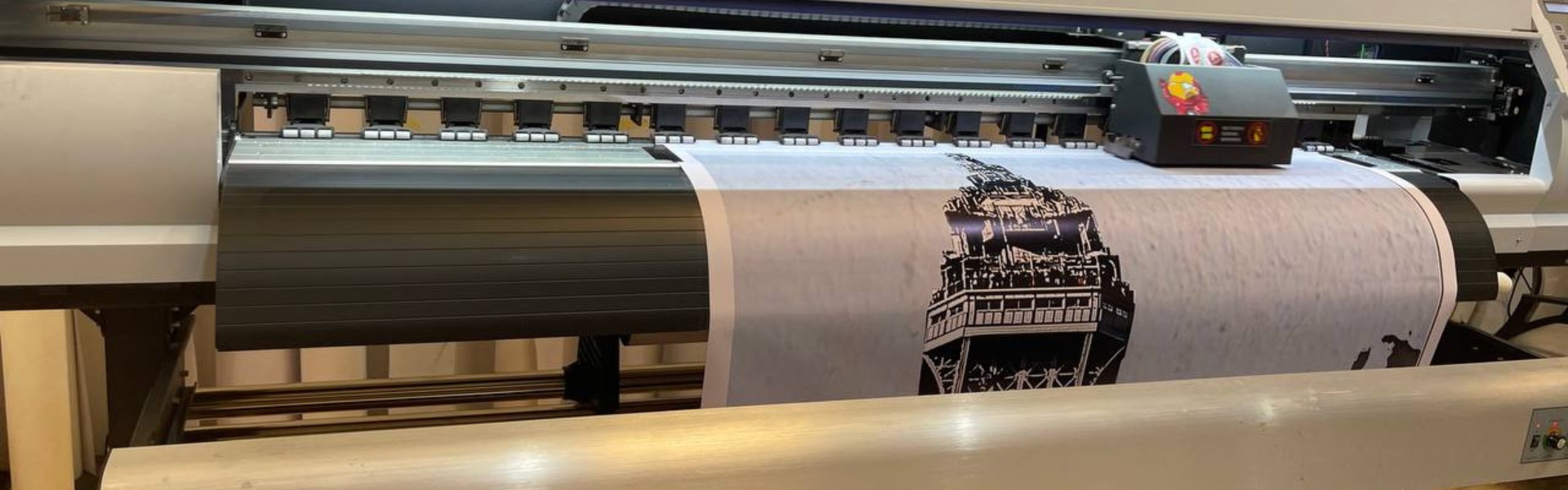
Maximize Your Brand Visibility: The Surprising Role of Large Format Printing in Modern Marketing
In today’s competitive market, standing out is no longer optional—it’s a necessity. Whether you're a small business or an established brand, you’ve probably realized the importance of online marketing and social media in reaching your audience. But there’s a powerful, often overlooked tool that can truly elevate your brand and bring it to the next level: large format printing.
While online marketing and social media certainly play a huge role in modern branding, actual branding—the physical manifestation of your identity in the world—remains incredibly important. It’s what gets your brand noticed offline and drives brand recognition in a more tangible, lasting way. Here’s how large format printing can help you tackle the challenge of elevating your brand.
The Power of Visibility
Visibility is key in any marketing strategy. No matter how great your online presence is, it can be easily overlooked. Physical advertising like banners, posters, and signs are impossible to ignore when placed in high-traffic areas. Large format printing provides you with the opportunity to create eye-catching, bold advertisements that capture attention in the real world—whether it's on the side of a building, at an event, or in a retail space. It allows your brand to stay visible and present in a way that digital ads can’t compete with.
Showcasing Your Brand in a Bigger, Bolder Way
One of the biggest benefits of large format printing is its ability to showcase your brand on a larger-than-life scale. By utilizing bigger canvases, you can turn any surface into an opportunity for brand promotion. Whether it’s a massive billboard or a large banner at a trade show, you can communicate your message in a visually striking way. This gives your brand a sense of importance and credibility that smaller-scale marketing simply can’t.
Enhance Your Branding Through Consistency
Consistency is a cornerstone of successful branding. With large format printing, you have the ability to keep your branding consistent across different mediums. From outdoor signage to point-of-purchase displays and event graphics, your visuals stay unified and reinforce the key elements of your brand. When customers see your brand presented in multiple places, they start to trust and recognize it more easily.
A Strategic Approach to Elevation
While social media and online marketing are essential, they don’t provide the same level of impact as physical branding in the real world. By combining the two—digital and physical—you create a complete brand experience. Large format printing allows you to take your online message and display it in the physical space where your target audience can truly connect with it.

How to Choose the Perfect Destination for Your Wedding
By Mahtab , Destination Wedding Planner
A destination wedding is more than a ceremony—it’s a meaningful experience in a place that reflects your love story. But choosing the right location involves more than beauty. It requires thoughtful consideration of logistics, legalities, and guest comfort.
1. Accessibility
Make sure your destination is easy to reach. Direct flights, visa-free entry, and minimal travel complexity make it easier for guests—especially the elderly or families—to attend and enjoy the celebration.
2. Visa and Entry Rules
Always check if you or your guests need a visa, how long the process takes, and whether any travel restrictions or health requirements apply. Legal recognition of your marriage back home is also essential.
3. Marriage Legalities
Each country has its own rules—some require days of residency, translated documents, or official civil ceremonies. Many couples choose to do the legal part at home and have a symbolic ceremony abroad for ease.
4. Weather and Season
Research the best time to visit. Avoid extreme temperatures, monsoon or hurricane seasons, and peak tourist months. Good timing means better prices, fewer crowds, and a more pleasant experience.
5. Budget and Currency
Factor in more than just the venue—consider exchange rates, local vendor costs, guest accommodations, and potential travel expenses. A realistic budget helps you avoid surprises and stay focused on what matters.
6. Local Vendors
Not all destinations offer high-quality wedding services. Ensure your location has reliable vendors or be prepared to fly in trusted professionals. Always review their work in advance.
7. Guest Comfort
Think beyond the wedding day. Choose a location with a variety of accommodations and enjoyable activities. A safe, welcoming environment ensures your guests have a memorable trip, not just a celebration.
Final Thoughts
The right destination blends beauty with practicality. When chosen well, it becomes more than a backdrop—it becomes part of your story. Plan with intention, and your destination wedding will be as effortless as it is unforgettable.
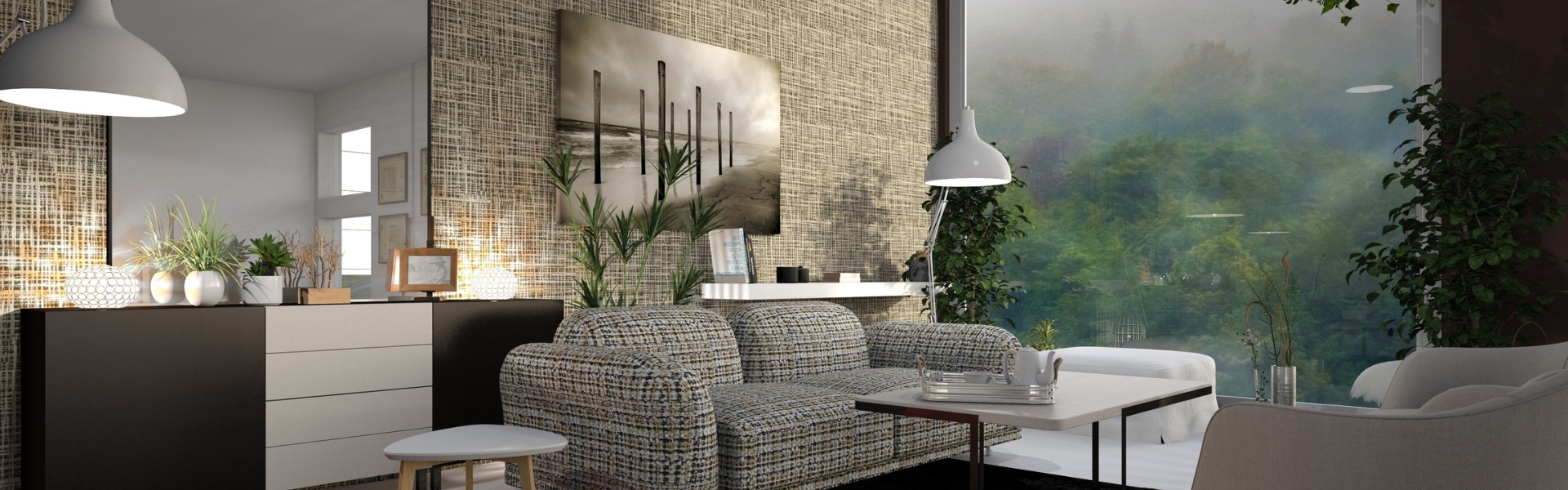
Thinking About Renovation and Fit-Out Projects in Dubai: What You Need to Know About Permissions By Farshad Khamisi
Dubai's rapid growth and dynamic real estate market make renovation and fit-out projects increasingly popular for homeowners and businesses alike. Whether you are looking to refresh your apartment, revamp your office space, or completely transform a commercial property, planning a renovation or fit-out in Dubai involves several important considerations — especially when it comes to obtaining the necessary permissions.
Why Renovation and Fit-Out Are Important
Renovation involves upgrading or restoring an existing space to improve its appearance, functionality, or value. Fit-out, on the other hand, refers to the process of making interior spaces suitable for occupation by installing floors, ceilings, partitions, lighting, and more, particularly for offices or commercial spaces.
Both activities can enhance the appeal, comfort, and efficiency of your property, but they also require careful planning to comply with Dubai's regulatory framework.
What to Consider Before Starting Your Project Define Your Scope Clearly Determine what exactly you want to renovate or fit out. Is it a simple cosmetic upgrade, structural modification, or a full interior redesign? This helps in estimating the budget and timeline. Hire Qualified Professionals Engage architects, interior designers, and contractors who are experienced with Dubai’s building codes and regulations. Understand Building Regulations Dubai Municipality and other authorities have strict regulations to ensure safety, sustainability, and urban harmony. Permissions Required for Renovation and Fit-Out in Dubai To avoid fines, delays, or legal troubles, securing the proper permissions before starting work is crucial.
1. Dubai Municipality Approval
For most renovation and fit-out projects, you need approval from Dubai Municipality’s Building Permit Department. This applies especially if the work involves:
- -Structural changes
- -Plumbing or electrical work
- -Modifications affecting fire safety
- -External façade changes
- -You typically submit architectural and engineering drawings, a detailed scope of work, and a permit application.
2. Developer or Community Approvals
If your property is in a freehold community or a building with a management company (like Emaar or DAMAC developments), you must obtain their consent before starting work. They often have guidelines on what changes are permissible.
3. Dubai Civil Defence
For commercial fit-outs, particularly in offices and retail, Dubai Civil Defence approval is mandatory to ensure compliance with fire safety regulations.
4. Trakhees / Free Zone Authorities
Properties located in free zones such as Jebel Ali Free Zone or Dubai Silicon Oasis require permits from their respective regulatory bodies.
Steps to Obtain Permissions Prepare detailed drawings and documentation with your design team. Submit applications to Dubai Municipality or relevant authorities via their online portals or in person. Await approval, which may include inspections. Obtain the permit before commencing work. After completion, request final inspections to close the permit. Conclusion Renovation and fit-out projects in Dubai can greatly enhance your property, but navigating the permissions process is key to a smooth and successful experience. Engaging knowledgeable professionals and obtaining the right approvals not only keeps you compliant but also ensures safety and quality standards.
If you’re planning a renovation or fit-out in Dubai, start early by consulting with experts and the relevant authorities. With proper preparation, your project can transform your space beautifully and legally.
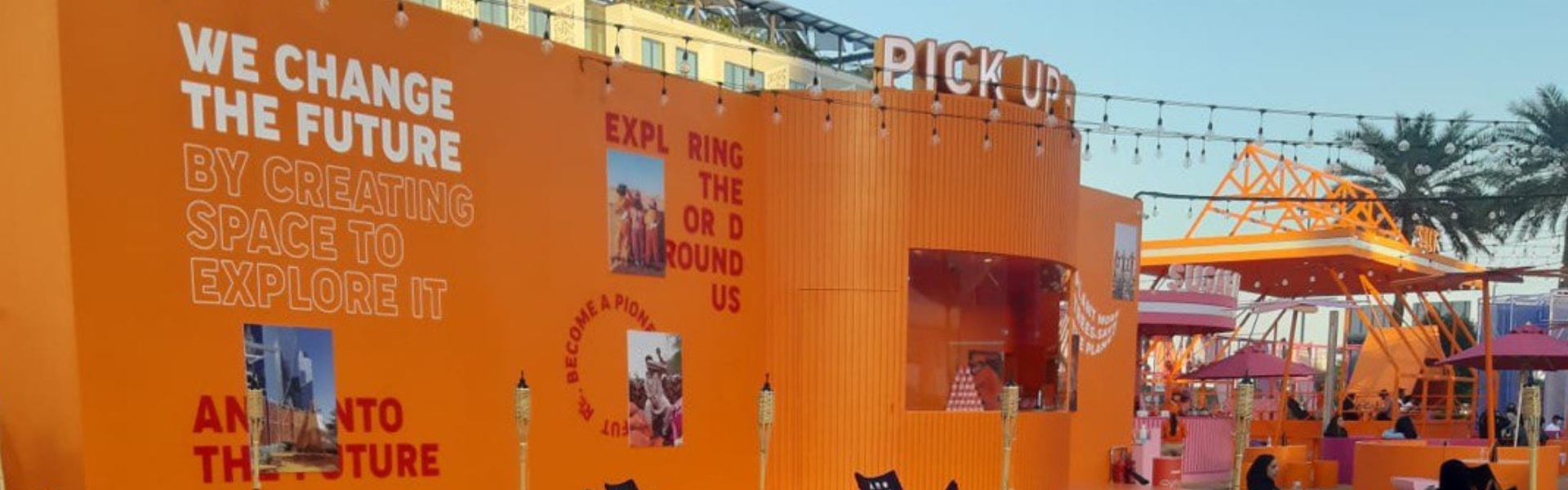
The Importance of an Exhibition Booth in Business Promotion By Farshad Khamisi
In today’s competitive market, standing out at trade shows and exhibitions is essential for any business aiming to expand its reach and establish valuable connections. One of the most effective tools for achieving this is a well-designed exhibition booth. But what exactly makes an exhibition booth so important, and how can it help your business thrive?
What is an Exhibition Booth?
An exhibition booth is a dedicated space at a trade show or event where companies showcase their products, services, or brand identity. These booths vary in size and complexity, ranging from simple tables with banners to elaborate structures with interactive displays.
Why Your Business Needs a Strong Exhibition Booth
"First Impressions Matter" Your booth is often the first point of contact between your brand and potential customers. A visually appealing and thoughtfully designed booth creates a positive first impression that encourages visitors to stop, learn more, and engage with your business.
Brand Visibility and Recognition Exhibitions gather numerous companies under one roof, making it crucial to stand out. A unique and creative booth design, consistent branding, and clear messaging help boost your brand visibility and make your company memorable. Direct Engagement with Customers Unlike other marketing channels, exhibitions allow face-to-face interaction with your target audience. This personal touch builds trust, enables immediate feedback, and creates opportunities for deeper connections and future sales. Showcase New Products and Services Exhibitions are ideal venues to launch or highlight new offerings. Demonstrations, samples, and live presentations at your booth can generate excitement and attract media attention. Competitive Advantage A professional and strategic booth design can give you an edge over competitors by positioning your company as a leader in your industry.
Key Elements of a Successful Exhibition Booth
Clear Branding: Use logos, colors, and slogans that align with your brand identity. Engaging Design: Incorporate eye-catching visuals, lighting, and multimedia. Interactive Features: Include product demos, virtual reality, or touchscreens to involve visitors. Comfortable Space: Provide seating or lounge areas for meaningful conversations. Informative Materials: Offer brochures, business cards, and giveaways for visitors to take home.
Final Thoughts
Investing time and resources into designing an effective exhibition booth can yield significant returns. It’s not just about having a physical presence but creating a memorable experience that resonates with attendees and drives business growth.